

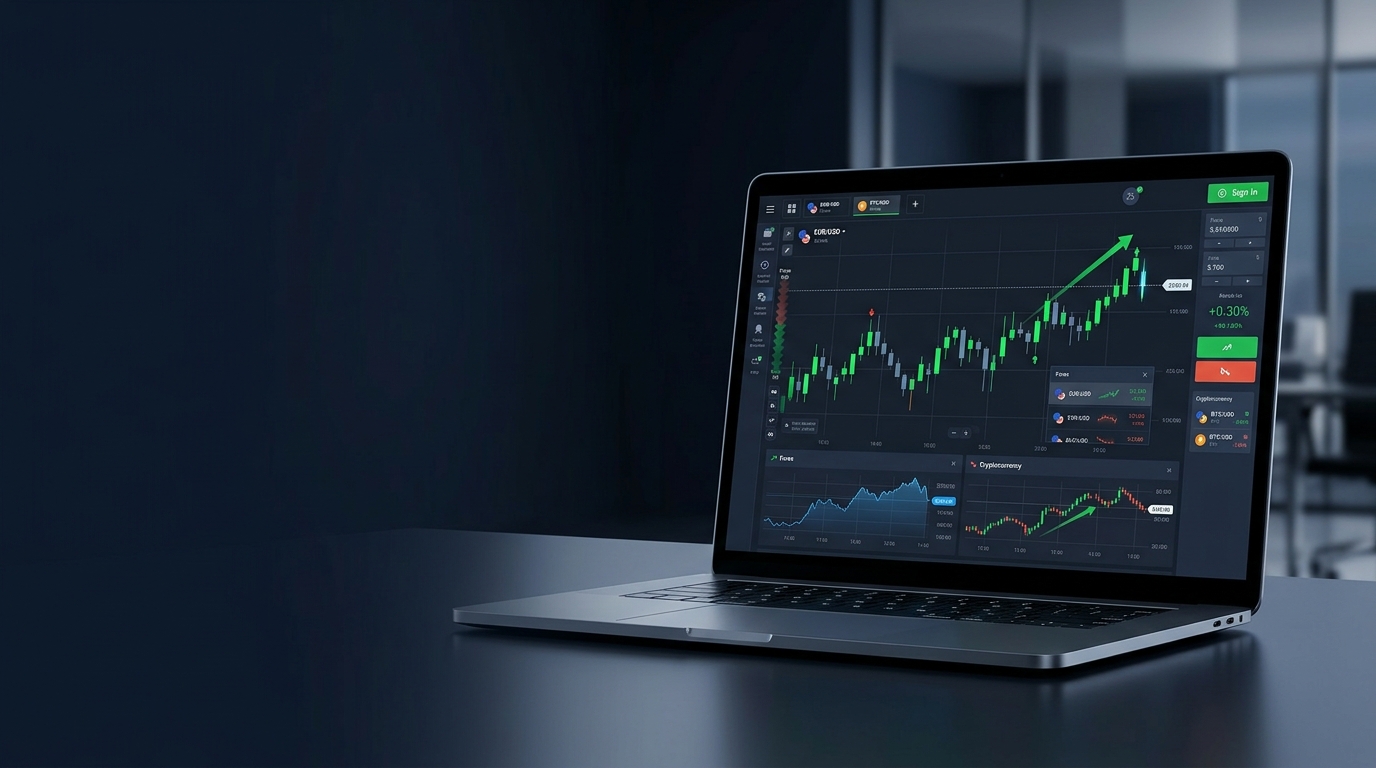
Online trading platforms have become increasingly accessible, but understanding how they actually work should come before depositing money or placing a trade.
One platform often discussed in the digital options market is Quotex. Its interface is built around a relatively simple concept: traders select an asset, choose an amount and expiry time, and predict whether the price will move higher or lower.
So, how does Quotex work in practice? Here is a straightforward explanation for beginners.
What Is Quotex?
Quotex is a trading platform focused primarily on digital or fixed-time options.
Rather than purchasing an asset and holding it as a traditional investment, users predict the direction in which its price will move over a specified period.
Available instruments can include markets such as:
- Forex currency pairs
- Cryptocurrencies
- Commodities
- Stock-related instruments
- Market indices
The exact selection may vary depending on platform availability and location.
How Does Quotex Work?
A typical trade involves four main decisions.
1. Select a Market
First, the trader chooses an available asset.
For example, someone might select EUR/USD, Bitcoin or Gold and then examine its price chart.
Charts and technical indicators can be used to study previous market movements, although they cannot guarantee what the market will do next.
2. Choose the Trade Amount
The next step is deciding how much capital to place on the position.
This is also the amount exposed to risk.
Beginners should understand this before trading because an incorrect prediction may result in losing the amount committed to that trade.
3. Set an Expiry Time
Unlike ordinary investing, digital options have a defined expiry.
The trader chooses when the position will end, such as after a short interval or a longer timeframe available through the platform.
When the expiry point is reached, the platform determines whether the prediction was correct.
4. Predict UP or DOWN
The trader then makes a directional forecast.
UP means the trader expects the asset’s price to finish higher.
DOWN means the trader expects the asset’s price to finish lower.
If the market moves in the predicted direction according to the contract conditions, the trade may receive the displayed payout.
If the prediction is wrong, the trader may lose the amount placed on the position.
A Simple Example
Imagine that EUR/USD is trading at a particular price.
A trader believes it will be higher five minutes later and chooses an UP position.
If the relevant price is above the required level when the trade expires, the position may close successfully and produce the predetermined return.
If the price is below the required level, the position would generally result in a loss.
This fixed-time structure is what makes digital options different from buying and holding currencies, stocks or cryptocurrencies directly.
What Is the Quotex Demo Account?
One useful feature for beginners is the ability to practise using virtual funds before risking real money.
A demo account can help users become familiar with:
- Reading the trading interface
- Selecting assets
- Changing chart timeframes
- Using indicators
- Setting trade amounts
- Choosing expiration periods
- Understanding UP and DOWN positions
Qbrokers.click also encourages readers to understand the platform through practice before considering real-money trading.
Demo trading should still be treated as a learning tool rather than proof that the same results will occur with real funds.
What Tools Does Quotex Offer?
Modern digital trading platforms commonly provide tools designed to make market analysis easier.
The Quotex interface includes charting features and technical-analysis tools. Qbrokers.click highlights features such as candlestick and area charts, indicators, drawing tools and access across different devices.
These tools may help traders organise their analysis, but they do not eliminate market risk.
How Are Potential Returns Calculated?
Before entering a digital-options position, the platform generally displays the potential payout.
For example, if someone places $10 on a trade, the possible return depends on the payout percentage shown for that asset at that particular time.
Payout levels can change, so traders should always review the displayed conditions before confirming a position.
More importantly, the potential return should always be considered alongside the possible loss.
Is Quotex Suitable for Beginners?
The mechanics of placing a trade can be easy to understand, but this should not be confused with trading being easy or consistently profitable.
Beginners still need to understand concepts such as:
- Market volatility
- Risk management
- Position sizing
- Technical analysis
- Economic news
- Trading psychology
- Expiry selection
A simple interface does not reduce the financial risk involved.
Is Quotex Risky?
Yes. Digital and fixed-time options are speculative financial products.
Markets can move rapidly and unexpectedly, particularly during important economic announcements or periods of high volatility.
A trader may lose the entire amount allocated to an unsuccessful position.
For that reason, anyone exploring platforms such as Quotex should only use money they can afford to lose and should first check whether digital-options trading is permitted in their country.
Learn How the Platform Works Before Trading
The best starting point is education rather than immediately trying to make profitable trades.
Independent resources such as Qbrokers.click explain the Quotex interface, demo trading, digital options and the basic steps involved in using the platform.
Readers who want a more detailed breakdown can learn more about how Quotex works through Qbrokers.click, including platform features and beginner-focused information.
Final Thoughts
So, how does Quotex work?
In simple terms, a trader chooses a market, selects a trade amount and expiry period, and predicts whether the price will finish higher or lower.
If the prediction meets the contract conditions, the trader receives the specified payout. If it does not, the money placed on the position may be lost.
The process may be simple to understand, but successful market prediction is not. Anyone considering digital-options trading should understand the risks, practise first and review the applicable regulations in their jurisdiction.
Disclaimer: This article is for educational and informational purposes only and does not constitute financial or investment advice. Digital and binary options involve significant financial risk and may be restricted in some jurisdictions.
